Plastic & recycling information
If you do have to purchase a plastic packaged item, it’s handy to be familiar with what type of plastic can / can’t be recycled in your local area. Not all plastic can be recycled, on most plastic items you’ll find a small number inside of a triangle, this number identifies the type of plastic it’s made from. There are seven types of plastic, generally number 6 and 4 are widely recycled, number 7 usually can’t be recycled at all and all other numbers vary depending on the local authority.
Know the sources
Being able to pinpoint where your food was grown and produced will help you to make informed choices when it comes to sustainability, freshness and supporting the local economy. Many organisations exist to do the hard work for us in this regard, here are some labels to look out for on food products that will help:
ASC (Aquaculture Stewardship Council) certified farms demonstrate that they are well managed and minimise adverse environmental and social impacts.
When you see the blue MSC (Marine Stewardship Council) label, this means that the product is wild, traceable, and sustainable. This product has been independently assessed and certified for the impact on wild fish population and ecosystem they’re part of.
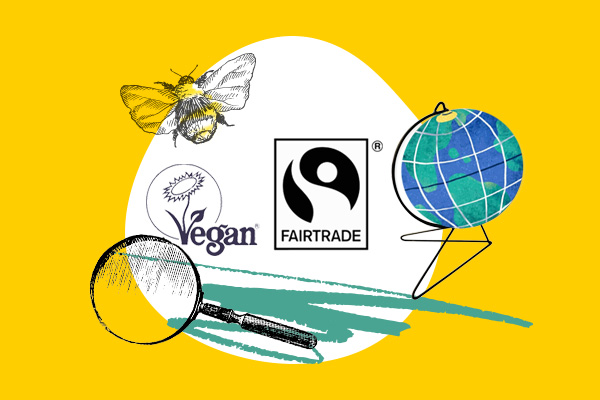
The Fairtrade logo is displayed on foods which have been grown using sustainable methods by farmers in developing countries. These farmers will have received a fair price for their product and have decent working conditions.
Freedom Food is the RSPCA’s farm assurance and food labelling scheme that aims to ensure that animals are reared, handled, transported and slaughtered according to strict RSPCA welfare standards developed and monitored by the RSPCA.
The Roundtable on Sustainable Palm Oil (RSPO) aims to transform markets to make sustainable palm oil the norm.